Indoor Fabric Enclosures: Materials, Light and Safety
Editorial update, October 2026: The article now covers fabric materials, reflectance terminology, moisture and general electrical safety. Previous product rankings and unsupported performance assurances are not repeated as current findings.
Portable fabric enclosures are used in a range of applications, including equipment photography, temporary displays and environmental testing. Older product lists often judge enclosures primarily by size, fabric thickness or reflectivity. This revised page is a material-safety reference rather than a ranked list of enclosures for a regulated crop.
How fabric enclosures differ

A portable enclosure generally combines a textile shell, supporting frame, closures and openings. The performance of a design depends on materials, seams, structural integrity and intended application. A nominal fabric weight or promotional thread count cannot by itself prove structural capacity, fire resistance or light control.
What reflective coatings do
Reflective surfaces redirect some incident light, but behaviour depends on wavelength, surface texture, angle and degradation. A shiny-looking lining does not necessarily provide a measured uniform reflectance. Claims that an enclosure reflects a precise percentage require an identified test method and a suitable instrument.
Why light leaks are not the same as environmental safety
A textile enclosure may block some visible light without providing an airtight, fire-rated or medically safe barrier. The language of complete sealing is especially misleading when electrical equipment, heat and occupants share an indoor environment. Equipment manufacturers must specify the appropriate use of their products.
Moisture and material durability
Textiles and coatings can change when exposed to humidity, condensation or cleaning agents. These effects differ among polymers and surface finishes. A visual inspection may reveal damage, but the absence of visible damage cannot establish long-term reliability or contamination resistance.
Electrical safety around flexible materials
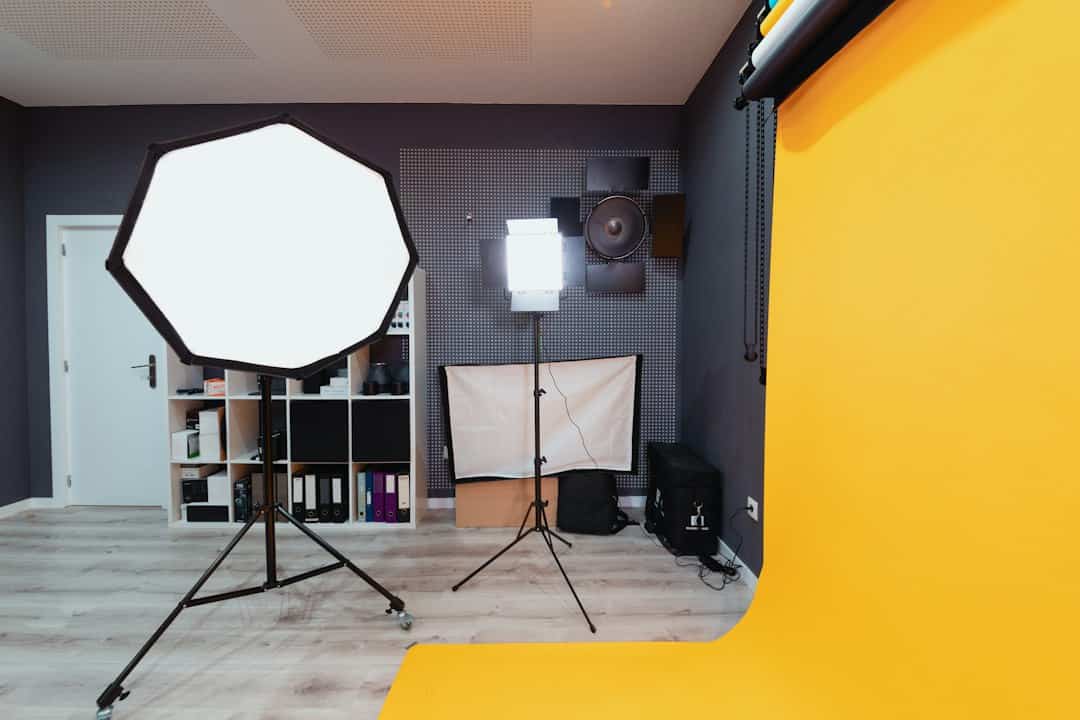
An enclosure made of fabric should not be treated as a protective electrical housing. Flexible and combustible materials near powered equipment create additional safety questions. Safe installation and inspection require manufacturers’ ratings, clearances, competent electrical judgment and compliance with applicable rules—not a product roundup.
Understanding older retail comparisons
The original page compared specific brands and claimed durability, reflectance, size and warranty advantages. Those statements were time-sensitive, and the article did not provide independent standardized test evidence. The previous rankings and merchant table have been withdrawn instead of restated as current recommendations.
Appropriate evidence for an enclosure
A technical datasheet should identify materials, construction and relevant independent certifications. A claim of fire resistance or chemical safety should name the applicable standard. Historical photographs can illustrate the appearance of an enclosure but are not proof of certification or long-term performance.
What reflectance values actually describe
A reflectance percentage requires a specified measurement method and relevant wavelength range. A surface might appear bright to the human eye while behaving differently at wavelengths outside the range most visible to people. Directional reflection and diffuse reflection are also different optical behaviours. A photograph of a shiny fabric cannot reveal the complete reflectance curve or establish a numerical performance guarantee. General concepts from the Department of Energy’s lighting overview explain why source spectra and optical properties matter when evaluating claims.
Material certification is more than a marketing label
A statement such as fire-resistant, laboratory-grade or heavy-duty needs a defined standard and a specific material configuration. A textile may behave differently after prolonged exposure to heat, cleaning substances or moisture. The presence of a zipper, metal frame or thick-looking coating does not establish structural or electrical certification. Technical documentation should describe what was tested and the conditions under which the result applies. An older seller listing is not necessarily identical to the currently manufactured product bearing the same brand name.
Distinguishing enclosures from protective housings
Portable fabric structures can be useful as temporary barriers in several fields, but they are not automatically engineered to contain heat, electricity or airborne hazards. A protective enclosure is defined by its intended purpose and demonstrated performance, not simply by having walls around equipment. The OSHA safety-management reference illustrates how protection must be evaluated in relation to a real hazard. This historical materials article is not a design specification or an assurance that a general-purpose textile is appropriate for every use.
Authoritative references
US Department of Energy LED lighting basics · OSHA general workplace safety reference
Questions and clarifications
Does reflective fabric automatically have a fire-safety rating?
No. Reflectance and flammability are separate material properties. A shiny or reflective surface does not establish that a product has passed a recognized fire-performance test.
Can fabric appearance establish a numerical reflectance value?
No. A photograph or glossy finish cannot show how a material reflects different wavelengths. Quantitative reflectance claims require an identified measurement method and suitable test documentation.
Fabric barriers are not automatically airtight or safe. Our indoor air and carbon dioxide safety reference explains why air-quality claims require proper evidence.
Related eStageCraft references
General lighting equipment comparison · Eye and optical safety
Editorial integrity statement: The original URL is retained to prevent dead links. No recent first-hand tests, current seller comparisons or production recommendations are asserted.