
Hydroponics: A History of Water-Based Plant Science
Editorial update, October 2026: The article now documents the history and terminology of water-based plant research rather than presenting an older equipment list as a current buying guide.
Hydroponics refers to the scientific and agricultural use of water-based environments rather than conventional soil as the primary root environment. It has been studied for more than a century and is used in educational, research and commercial contexts. This revised article is a historical and technical explainer, not a ranked list of equipment or instructions for setting up a production system.
The origin of modern hydroponic research
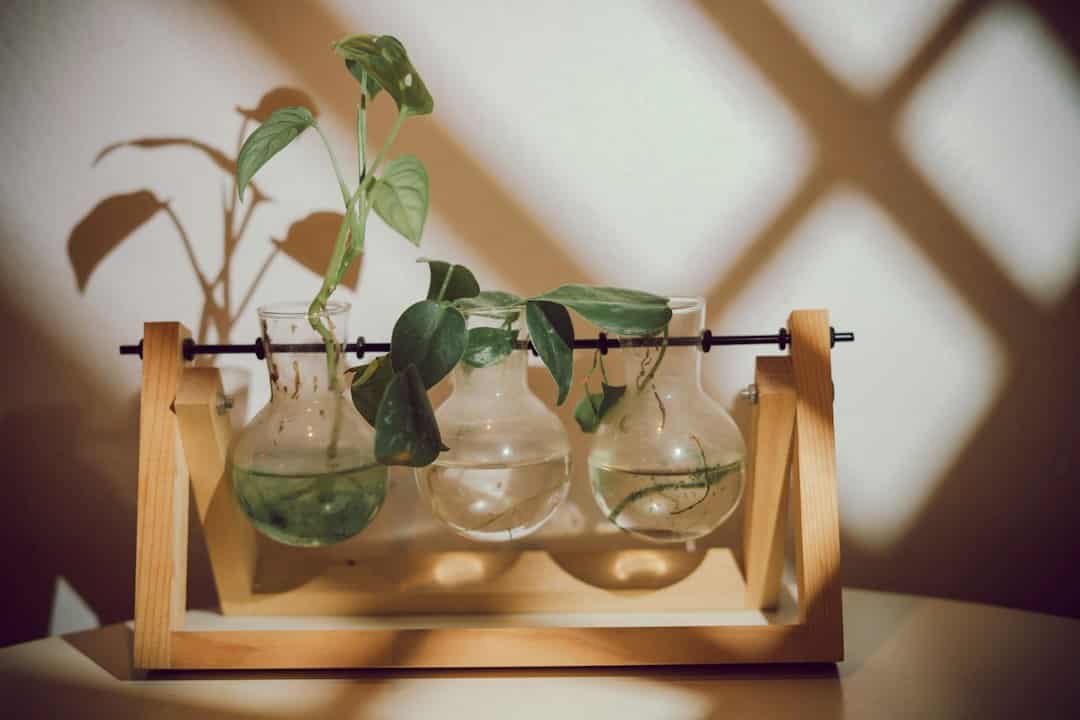
Scientists have used water and other non-soil media to investigate plant nutrition for generations. These experiments helped separate questions about the physical role of soil from questions about mineral elements. The USDA National Agricultural Library preserves material describing these historical developments, which are more informative than retailer promises about any specific kit.
What the term hydroponics includes
Hydroponics is an umbrella term; it does not designate one universal container, pump or technology. Equipment descriptions sometimes distinguish between recirculating and nonrecirculating systems, while research papers may categorize systems by the physical environment around roots. Those are classifications, not rankings of effectiveness or safety.
The link to plant mineral nutrition
Water-based research became important because dissolved minerals can be measured separately from soil structure. Plants require essential elements for biological functions, but a labeled product mixture is not a substitute for experimental evidence about a plant’s needs. Misrepresenting research terms as universal product claims makes an older review less trustworthy.
Material properties and hygiene concerns
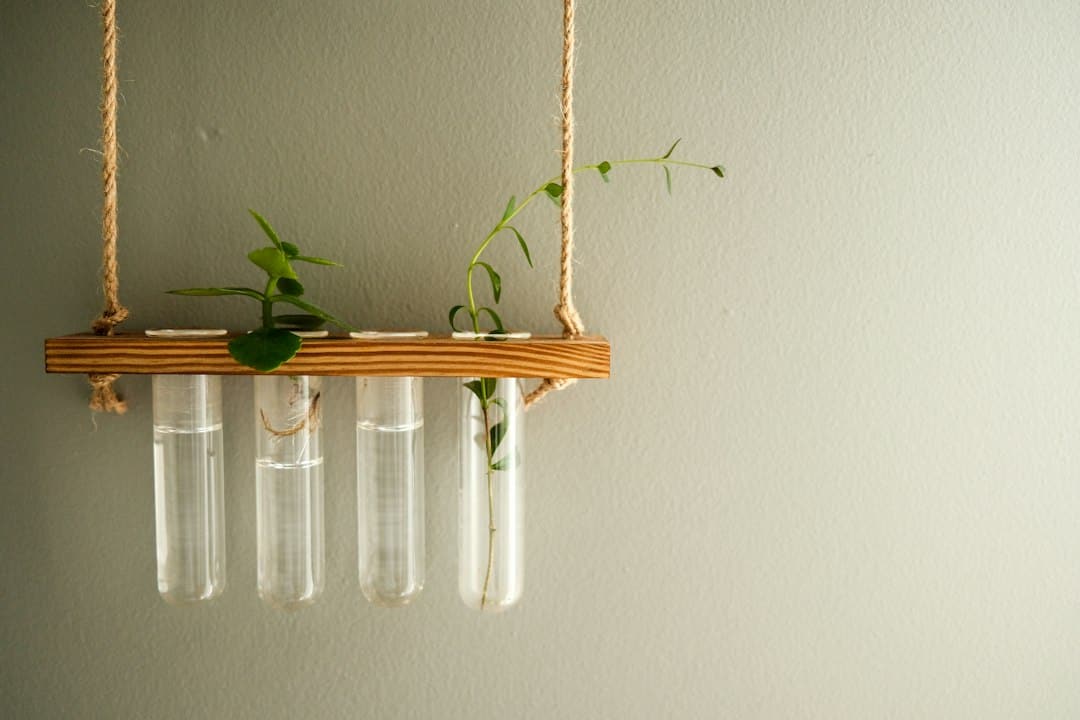
Technical systems can combine reservoirs, plastics, tubing, pumps and electrical components. Materials are chosen partly for compatibility, durability and cleanability, with different failure modes. Biofilms and microbial contamination are also topics of laboratory and industrial study. A photograph cannot reveal whether a particular product remains clean, sound or fit for purpose.
Electricity and water are separate safety concerns
Water and energized electrical systems present recognized hazards. Damaged connections, unsuitable power supplies and uncertain equipment certifications should be assessed by qualified professionals. There is no safe reason to follow improvised electrical directions from an obsolete equipment roundup. The safety case depends on the actual hardware and applicable standards.
Why old equipment rankings expire
The original site article listed brands and prices from a different retail period. Some sellers may have changed specifications, support policies or availability. Without current independent evidence, a historical kit description cannot be presented as a verified ranking. This is especially important when the source list mixes differently designed systems and compares them by price alone.
Research methods and documentation
A sound technology assessment documents the measurement objective, operating conditions, system boundaries, uncertainty and source of each specification. That is a useful standard for reading old product claims even when no equipment is being selected. For a general measurement example, our pH pen guide explains why calibration is essential to trustworthy readings.
Why water-based research changed botanical science
Controlled laboratory research helped establish that soils are complex mixtures rather than a single essential material. Studying dissolved minerals and plant physiology separately allowed scientists to ask which chemical elements were important for normal biological function. This work belongs to the history of botany and analytical chemistry. The USDA National Agricultural Library collects background and research references on hydroponics as a field of study. A history of the field should not be mistaken for a recommendation about a commercial system.
The difference between a system diagram and a performance test
A schematic can show the relationship between components in an engineering system, but it cannot establish reliability, biological outcomes or efficiency. Quantitative claims require stated measurement boundaries and a reproducible method. Equipment that looks similar in a photograph may use different materials, electronics or components, so a single advertising comparison can obscure important limitations. Industrial engineering distinguishes a design concept, a prototype, a standardized test report and an independently inspected installed system. Those distinctions remain useful when evaluating equipment archives.
Environmental questions need a complete accounting
Environmental claims involve more than one resource. Water consumption, electricity demand, materials, transport, maintenance and equipment disposal can all matter, with effects that depend on location and system boundaries. A single promotional claim of being sustainable or efficient may omit trade-offs. Lifecycle assessment is a method of describing a product or process within defined boundaries and assumptions; it is not an automatic certificate of environmental benefit. This archive therefore avoids asserting that one broad technology category is always environmentally preferable to every alternative.
Sources for further reading
For academic background, read USDA National Agricultural Library hydroponics overview and USDA soil health background. These references support general botanical or safety concepts; they do not imply first-hand equipment tests by eStageCraft.
Questions readers often ask
Is hydroponics a single type of device?
No. Hydroponics is a broad term for water-based, soilless plant systems and research. It does not identify one brand, container design or piece of equipment.
Did scientists study plant nutrition without soil before modern retail systems?
Yes. Water-culture and sand-culture experiments have been part of plant physiology research for more than a century. Their historical importance is the ability to study plant mineral nutrition separately from conventional soil.
Different materials are used in scientific and industrial systems. See Mineral Wool: Material Science and Exposure Safety for background on fiber composition and safe interpretation of exposure information.
Related educational topics
Soil ecology as a contrasting research field · pH instrument terminology
Editorial integrity: No new first-hand trials, certification claims, current marketplace verification or crop-specific recommendations are asserted. The source material has been rewritten for educational use.