Organic Soil: Ecology, Structure and Biodiversity
Editorial update, October 2026: This page now explains soil organic matter, biological diversity and material structure using general scientific concepts. It is no longer framed as a crop-specific product or procedure guide.
Soil is not merely a container for roots. It is a changing mixture of minerals, organic matter, water, air, and many living organisms. This article replaces a narrow cultivation tutorial with a broad explanation of the ecological processes that make soil important in gardens, forests, farms, and urban landscapes.
Soil as a living ecosystem
The USDA Natural Resources Conservation Service describes soil health as the capacity of soil to function as a vital living ecosystem. This includes supporting biodiversity, filtering water, cycling elements and sustaining vegetation. Soil quality is not adequately expressed by one commercial label such as premium or organic. Field history, physical structure and biological diversity are relevant to scientific interpretation.
Organic matter and decomposition
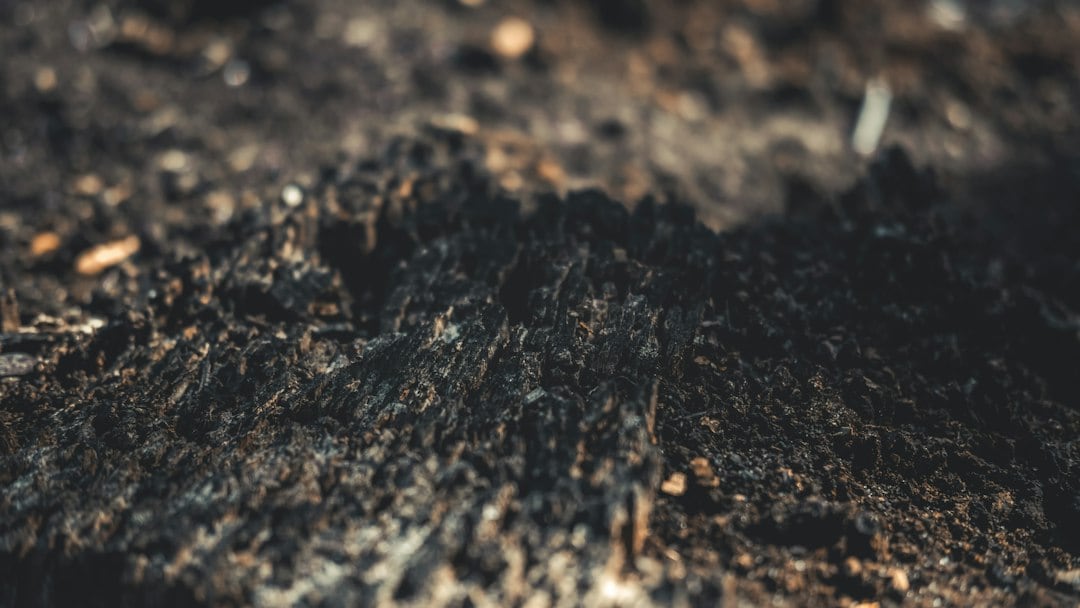
Organic matter includes living and formerly living biological material at different stages of transformation. Bacteria, fungi and invertebrates participate in decomposition and affect nutrient cycling. Organic matter is important partly because it helps shape aggregate stability and the relationship between water and mineral particles. Its exact contribution depends on the character of a soil rather than a universal percentage.
Soil structure and pore space
Soils contain pores of different sizes that influence movement of air and water. Compaction, aggregation, particle-size distributions and root architecture affect this structure. Two samples that look similar in colour can behave very differently. Broad statements that a particular bag of material is suitable for all plants neglect that physical complexity.
Water and the soil environment
Water interacts with particles, organic surfaces and biological processes. Infiltration, retention and drainage are distinct properties. The USDA explains that good soil structure can improve infiltration and water-holding behaviour, but these outcomes are affected by local conditions. There is no single soil type that will perform identically everywhere.
The soil food web
Soil is home to bacteria, fungi, nematodes, arthropods and other organisms. Their relationships are not always simple. Some organisms decompose residues, while others feed on organisms at different levels of the food web. A diverse biological community does not mean all organisms are beneficial in every setting, and one species alone cannot define soil health.
Scientific evidence and soil marketing
Claims such as guaranteed yields, complete nutrient balance, or maintenance-free soil need evidence that identifies the soil, climate, measurement method, plant species and observation period. The older page did not substantiate its broad recommendations with a reproducible comparison. This revision removes its specific production instructions and unverified rankings.
The environmental importance of soil
Beyond gardens, healthy soils influence water quality, erosion, carbon dynamics and biodiversity. The USDA emphasizes these ecosystem functions because soil research concerns entire landscapes, not only individual plants. Understanding these broader roles is a more durable educational purpose than recommending an old retailer product.
Physical, chemical and biological soil health are distinct
Soil scientists study several overlapping dimensions of an ecosystem. Physical properties concern aggregation, pore space and the movement of water and gases. Chemical properties include mineral composition, acidity and reactions involving dissolved substances. Biological properties involve organisms and their interactions with organic matter and each other. None of these dimensions is adequately captured by one visual impression, colour or commercial rating. A dark sample can be interesting without proving that every measured property is favourable. The USDA NRCS soil-health reference provides a broader framework for understanding these connections.
Organic carbon and the history of a soil
Carbon moves among living organisms, residues, soil organic matter and the atmosphere. Soil scientists investigate how the carbon held in a particular landscape changes over time, and such work depends on location, historical management, sampling and laboratory analysis. There is no universal percentage that describes every healthy soil. Different climates, landforms and ecosystems naturally support different conditions. Research on soil carbon and organic matter is important to erosion and water quality as well as broader environmental questions. Its complexity is one reason old retail soil rankings should be viewed with caution.
Why a photograph cannot certify soil quality
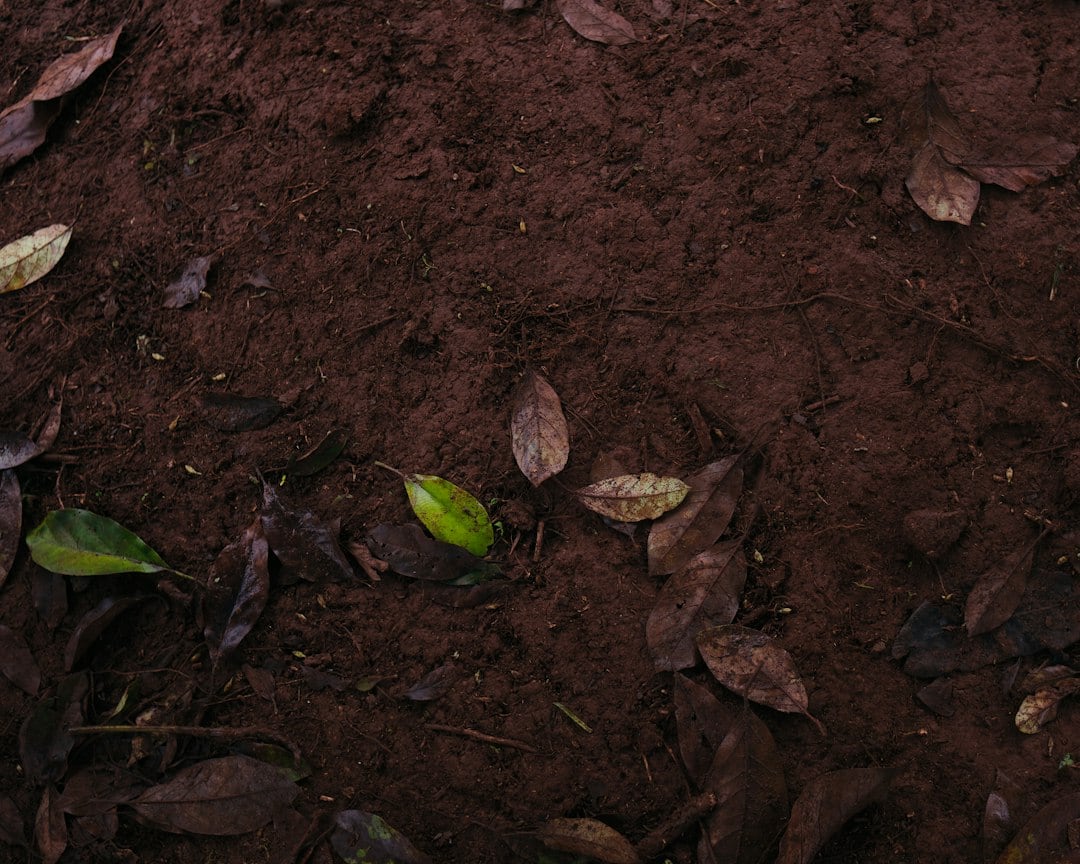
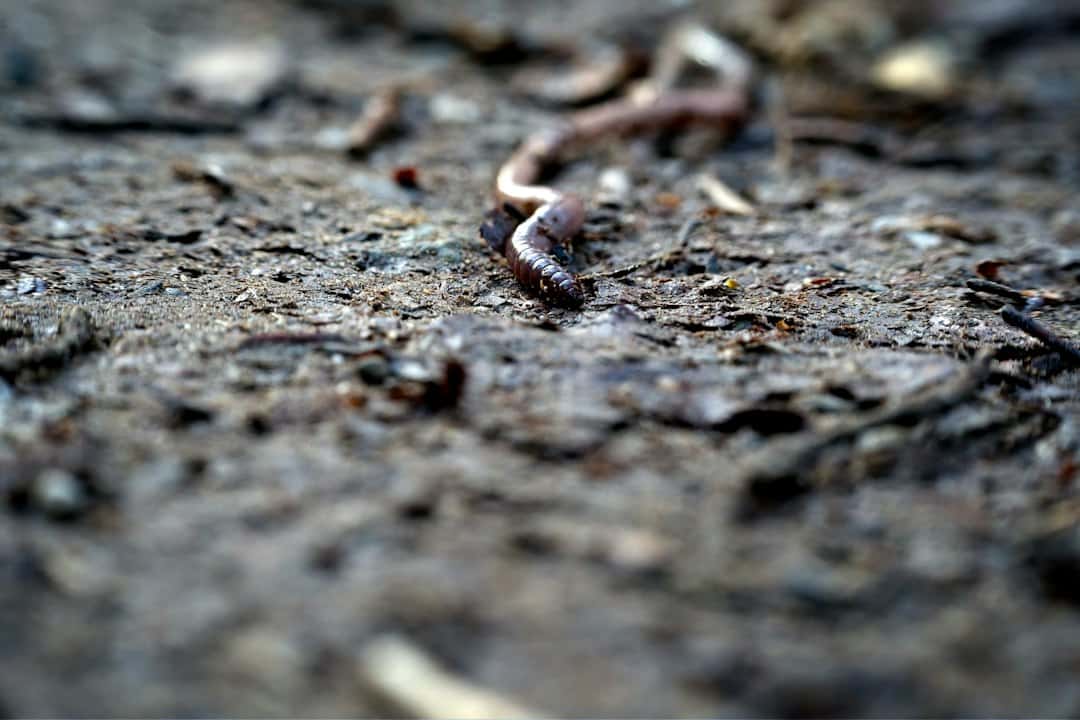
A photograph can illustrate layers, roots, earthworms or surface residues. It cannot show the identity of all microorganisms or establish chemical composition, contaminant levels or long-term ecological function. Reliable data requires a clear research question and appropriately documented observations. The USDA Soil Biology Primer explains why soil food webs are diverse. This page uses its images as illustrations, not proof that a pictured sample satisfies a scientific standard or that one commercial material is preferable to every other.
Scientific references
USDA NRCS soil health overview · USDA role of organic matter These sources describe general scientific concepts or safety information. The article does not claim new laboratory tests.
Frequently asked questions
Are soil organic matter and living microbes the same thing?
No. Organic matter includes residues and material at different stages of decomposition, while soil microorganisms are living members of the soil ecosystem. They interact, but one measurement does not describe both.
Does an organic label establish a soil nutrient profile?
No. Soil chemistry, structure and biological activity vary among samples. A marketing label is not a laboratory result, and broad claims about nutrient balance require evidence for the material being discussed.
Related topics include spider mite identification and chemical safety, moisture and microbial science, and the material science of mineral wool. These articles discuss general science and safety rather than crop-specific techniques.
Related reading
Plant mineral nutrition · Hydroponics as a contrasting scientific approach
Editorial note: Updated as general science and safety content. No independent product evaluation, crop-specific performance claim, or present-day shopping recommendation is asserted.