
Carbon Dioxide: Plant Science and Indoor Air Safety
Editorial update, October 2026: This page now explains the science of carbon dioxide, indoor measurements and air-quality limitations. Earlier equipment and enhancement claims are not treated as verified evidence or as household safety advice.
Carbon dioxide is a naturally occurring atmospheric gas and an important component of global carbon cycling. It is also relevant to photosynthesis and indoor air quality. This updated article no longer provides instructions for artificially increasing gas concentrations. Instead, it explains basic science and why poorly understood indoor exposure can be dangerous.
Carbon dioxide in the atmosphere
CO₂ contains one carbon atom and two oxygen atoms. It is a colourless, odourless gas and a normal part of Earth’s atmosphere. Its abundance changes through biological and physical processes, including respiration, combustion and exchanges with oceans and vegetation. Atmospheric science uses carefully calibrated measurements rather than assumptions based on human smell or visible air conditions.
What photosynthesis means
Photosynthesis is a group of biochemical processes by which photoautotrophs capture light energy and use it in chemical reactions. Carbon dioxide is one reactant in this process, but plant metabolism is regulated by many biological factors. Mentioning that relationship is not evidence that deliberately changing room air is safe or that a product claim about performance is valid.
Why indoor air needs separate attention
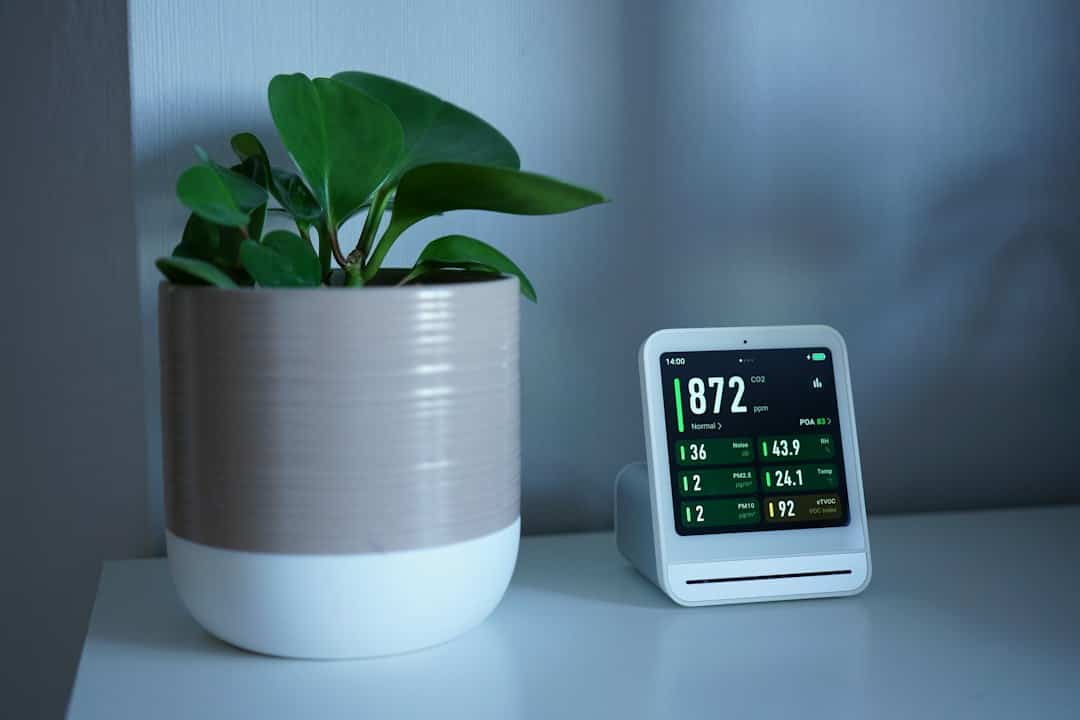
Occupied indoor environments accumulate CO₂ from breathing. Health Canada provides residential guidelines that distinguish the long-term management of indoor air from industrial exposure standards. The presence of a biological reason for studying CO₂ does not cancel its potential hazard to people in enclosed spaces.
CO₂ is nonflammable but not harmless
The US National Institute for Occupational Safety and Health identifies carbon dioxide as a nonflammable gas. It can nevertheless create serious respiratory and other health risks at elevated concentrations. That difference matters because older articles incorrectly described CO₂ itself as a fire hazard while overlooking the more direct consequences of exposure.
Compressed gas and equipment hazards
Storage cylinders, regulators and connected mechanical equipment introduce distinct hazards that require qualified handling and formal safety procedures. Equipment that uses fuel or combustion introduces additional, separate risks. A consumer blog cannot safely substitute for a manufacturer’s product safety manual, workplace risk assessment or regulatory guidance.
What air-monitoring measurements indicate
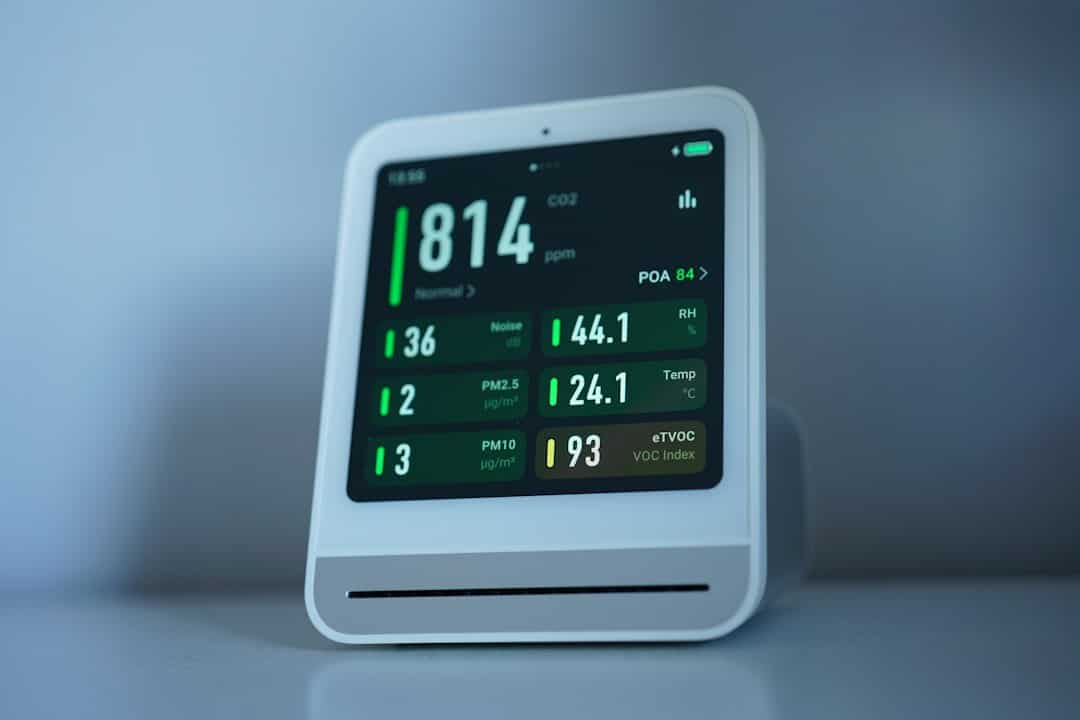
An indoor air monitor provides a measurement at a particular place and time. Readings depend on sensor technology, calibration, location and environmental conditions. NIOSH notes that CO₂ alone is not a perfect measure of ventilation quality. A single value cannot certify that every other indoor pollutant is absent or that a room is safe.
Why former enhancement instructions were removed
This site previously described ways to deliberately manipulate CO₂ in a room. Those directions are not appropriate as general public safety advice and were withdrawn. The revised article focuses on atmospheric chemistry, indoor-air interpretation and the need for professional standards.
The carbon cycle and biological processes
Carbon moves continually between the atmosphere, oceans, land and living organisms. Photosynthesis incorporates carbon into biological molecules, while respiration and decomposition return carbon to the surrounding environment. These are processes studied in ecology and biochemistry. They do not imply that changing conditions in an occupied indoor room is a safe or appropriate household experiment. The presence of carbon dioxide in normal air is not evidence that any concentration is harmless. Separating the biological role of a gas from its exposure hazards is essential to a responsible explanation.
Ventilation indicators are not complete safety certificates
Indoor carbon-dioxide concentrations can sometimes serve as useful indicators in air-quality discussions, but readings depend on where a monitor is located and how the sensor functions. Carbon dioxide is only one potential indoor air concern. Other gases, particles, moisture and environmental conditions require separate assessment. Health Canada’s residential guidance treats CO₂ in its specific indoor-air context. A monitor showing one apparently acceptable number cannot establish that a building is free of other hazards.
Why occupational exposure standards differ from general advice
The NIOSH carbon-dioxide hazard profile addresses workplace exposure risks. Occupational limits are written for particular assessment purposes and should not be repurposed as targets for a home or school. A compressed-gas warning also concerns equipment risks that are separate from air composition. Historical articles that focus only on one biological effect miss these distinctions. This page provides science and hazard context, not instructions for changing indoor concentrations or operating compressed-gas equipment.
Authoritative references
Health Canada residential CO2 guidance · CDC/NIOSH carbon dioxide hazard profile
Questions and clarifications
Does a carbon-dioxide monitor establish that indoor air is safe?
No. A carbon-dioxide reading is one observation about the indoor environment. It does not detect every air contaminant or replace appropriate air-quality assessment.
Are carbon dioxide and carbon monoxide the same gas?
No. Carbon dioxide (CO₂) and carbon monoxide (CO) are different compounds with different sources, monitoring methods and health hazards. A carbon-dioxide reading cannot be used to rule out carbon monoxide.
Related eStageCraft references
General indoor lighting safety · How measurement instruments are calibrated
Editorial integrity statement: The original URL is retained to prevent dead links. No recent first-hand tests, current seller comparisons or production recommendations are asserted.