Plant Life Cycles: Annuals, Biennials and Perennials
Editorial update, October 2026: This page now presents plant life-cycle terminology and biological variation across annual, biennial and perennial species, rather than a calendar of practical claims.
Plants develop on many different timelines. A short-lived annual, a two-year biennial and a long-lived perennial cannot be described by one universal calendar. This rewritten article explains the botanical language used to classify life cycles rather than providing a production timetable for any regulated crop.
What a life cycle describes
A life cycle covers the transitions from a developing organism through maturity and reproduction. Botanists distinguish physical growth, developmental transitions and reproductive events. A plant may increase in size without entering a different developmental state, and different tissues can mature at different rates.
Annual plants
Annuals usually complete their life cycle within one growing season. Common examples include beans and marigolds. Even within this category, actual time varies by species and conditions. An annual classification is therefore a broad description of strategy rather than a promise that every plant completes development in a particular number of days.
Biennials
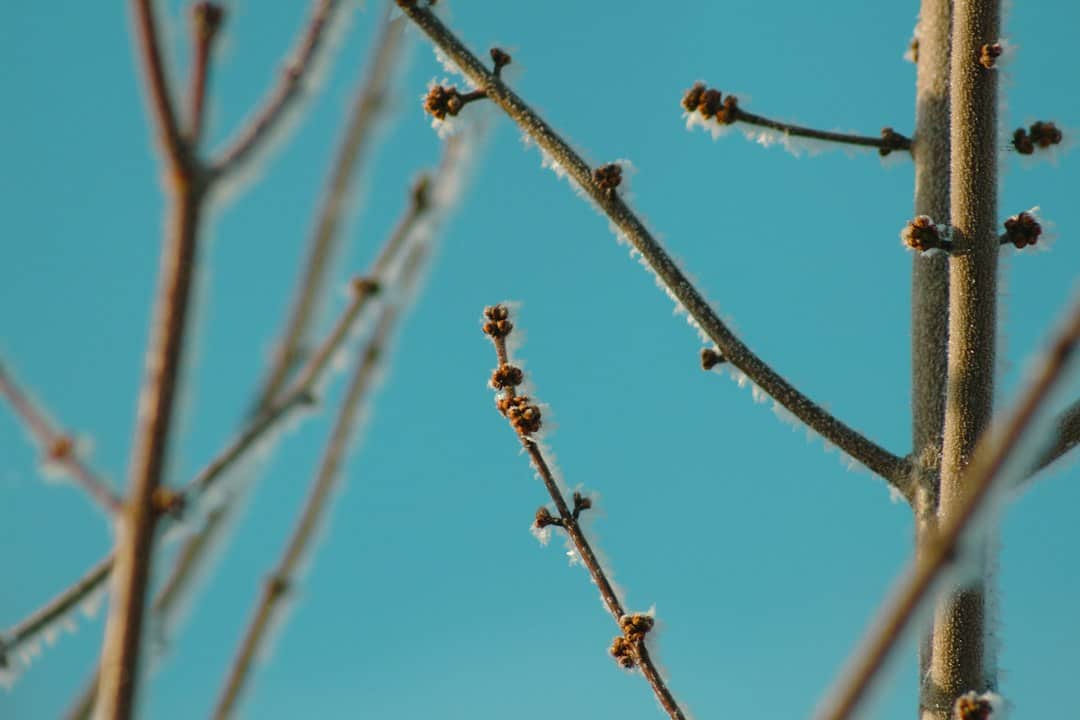
Biennials generally require two growing seasons to complete their life cycle. Many spend an initial season developing vegetative structures and storage organs, with reproduction occurring later. Botanists use this classification to explain seasonal development; it is not a fixed schedule that applies to every individual or environment.
Perennials
Perennials persist for more than two growing seasons. Some are herbaceous plants that lose above-ground tissue seasonally, while others are woody organisms that persist for decades or much longer. A perennial can pass through annual cycles of dormancy or renewed growth without restarting its entire life cycle.
Seeds and dormancy
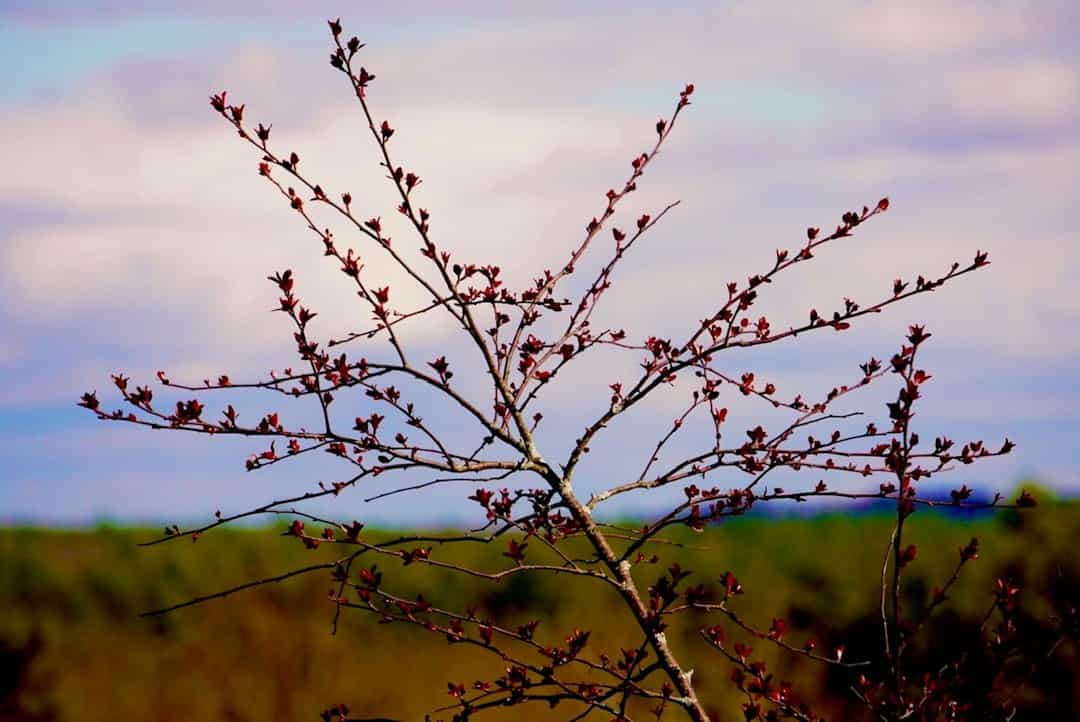
Dormancy helps some plants remain viable through unfavourable periods. There are different forms of dormancy involving tissues and physiological processes. Scientists distinguish dormancy from simple inactivity caused by external conditions. A seed that has not visibly changed cannot necessarily be assigned a particular developmental state just from a photograph.
Environmental variation
Temperature, seasonality, light cues, water availability and species-specific genetics can influence the timing of development. Those relationships help explain why generalized timelines are unreliable. A duration quoted from one study is not transferable to every geographic location or biological species.
Why old online calendars mislead
An old tutorial may describe one exact sequence as if it applies to every specimen. Without a clearly identified species, environmental conditions and dated observations, that is not reliable science. This revised reference uses the categories described by NC State Extension rather than retaining a crop-specific production calendar.
Phenology: observing events across the year
Phenology is the study of recurring events in the life cycles of living organisms and how their timing relates to environmental conditions. Botanists study phenomena such as leaf emergence, flowering, fruiting and seasonal dormancy. An event can vary from year to year even in the same population because weather and other conditions change. Phenological observations are useful in ecology and climate research, but they do not provide a universal clock for every species. Life-cycle labels should be read as descriptive categories, not precise predictions for an individual plant.
Age, maturity and season are not synonymous
A plant can be old in calendar terms yet exhibit different kinds of tissue development at different times. Maturity has biological and reproductive meanings that depend on the organism. Some perennials produce new structures in repeated seasonal cycles, while annuals and biennials follow different broad patterns. Dormancy adds another layer because the absence of visible growth is not necessarily biological inactivity. Educational references, including NC State Extension’s botany chapter, describe these categories as part of a wider developmental framework.
Why individual timelines vary
Development depends on inherited traits and environmental history rather than a single date stamp. Species living in contrasting climates can respond to different seasonal cues, while individuals of the same species may also differ. A widely circulated duration taken from one context is therefore not automatically transferable to another. It is more scientifically useful to identify the biological event being discussed and the evidence supporting the observation than to promise a universally accurate calendar. The former version of this page made that distinction insufficiently clear.
Scientific references
NC State Extension botany and growth habits · Oregon State University botany reference These sources describe general scientific concepts or safety information. The article does not claim new laboratory tests.
Frequently asked questions
Does a biennial always complete its life cycle in exactly two calendar years?
No. Biennial describes a typical developmental pattern, not a universal stopwatch. Species and environmental conditions can affect the timing of germination, reproductive maturity and senescence.
Can the same plant behave as an annual in one climate and a perennial in another?
Yes. Some species survive for multiple seasons where conditions permit but are treated as annuals in colder environments. Botanical life span and how a plant is classified in a particular setting should be distinguished.
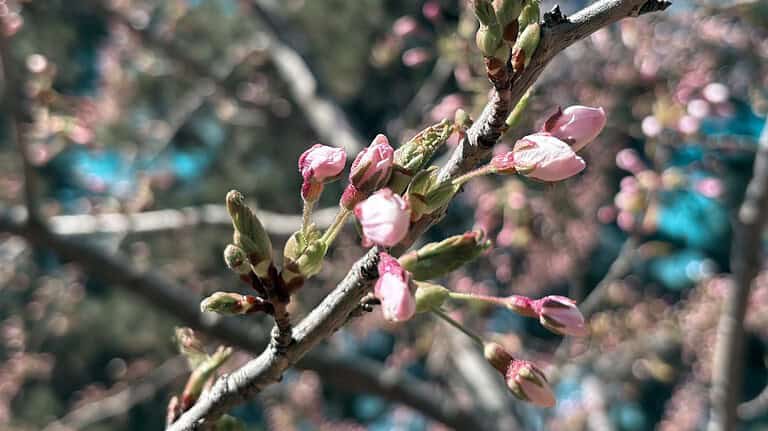
For the difference between a shoot bud and a flower bud, refer to our general plant morphology primer. Botanical structures and life-cycle categories answer different scientific questions.
Related reading
Plant reproductive structures · Cloning as a biological term
Editorial note: Updated as general science and safety content. No independent product evaluation, crop-specific performance claim, or present-day shopping recommendation is asserted.