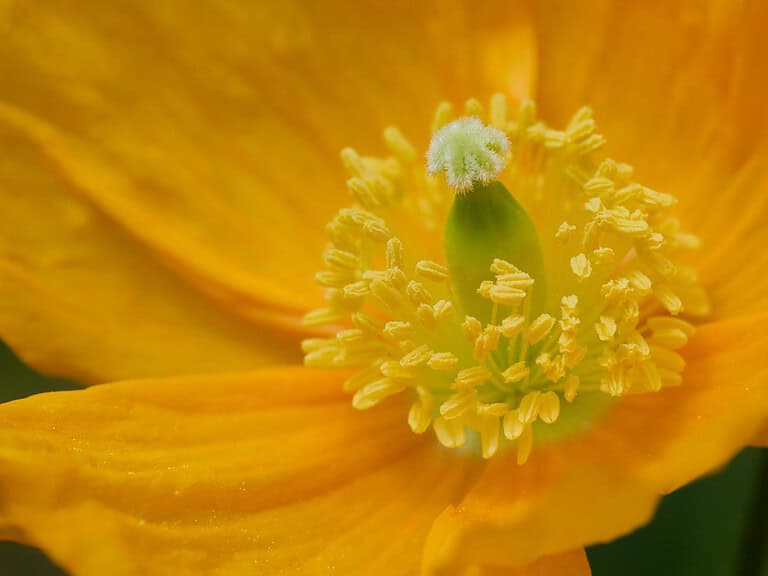
Plant Cloning: The Biology of Asexual Reproduction
Editorial update, October 2026: This article explains asexual plant reproduction, genetic identity and limits of biological claims. It replaces earlier narrow practical advice with an educational overview of botany.
Plant cloning is a broad biological term for asexual reproduction that produces organisms with closely related genetic material. It occurs naturally in many species and has also been studied for generations by botanists. This article replaces an older crop-specific how-to with a non-instructional explanation of plant development, genetic identity and the limits of common claims.
Asexual reproduction in plant biology
Plants reproduce in multiple ways. Sexual reproduction involves genetic contributions that are combined during fertilization, while asexual reproduction can give rise to a new individual without that combination. The word clone refers to shared genetic origin, not necessarily an identical appearance. Different environments and developmental histories can produce quite different traits even among genetically similar individuals.
Plant cells and developmental potential
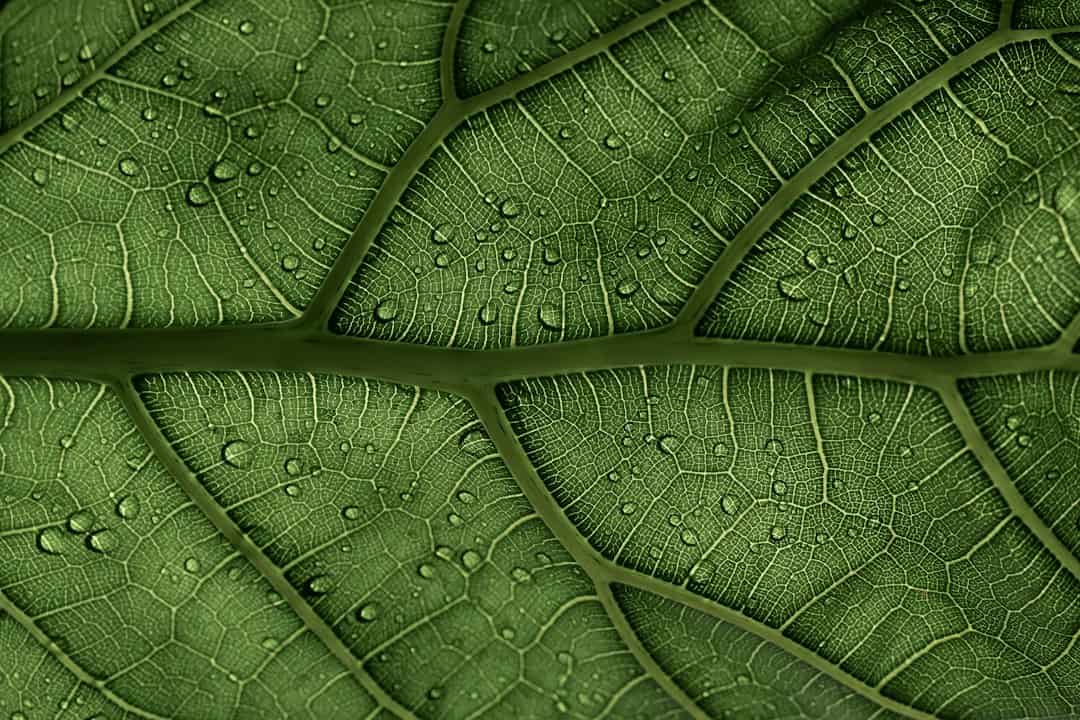
Plant cells contain genetic instructions and can sometimes change developmental roles under the influence of signals from surrounding tissue. This plasticity is an important topic in developmental biology. A clone is therefore not simply a miniature version of a mature organism: it must develop its own organized structures, which is a biological process rather than a guaranteed consequence of sharing genes.
Why genetic similarity does not guarantee identical plants
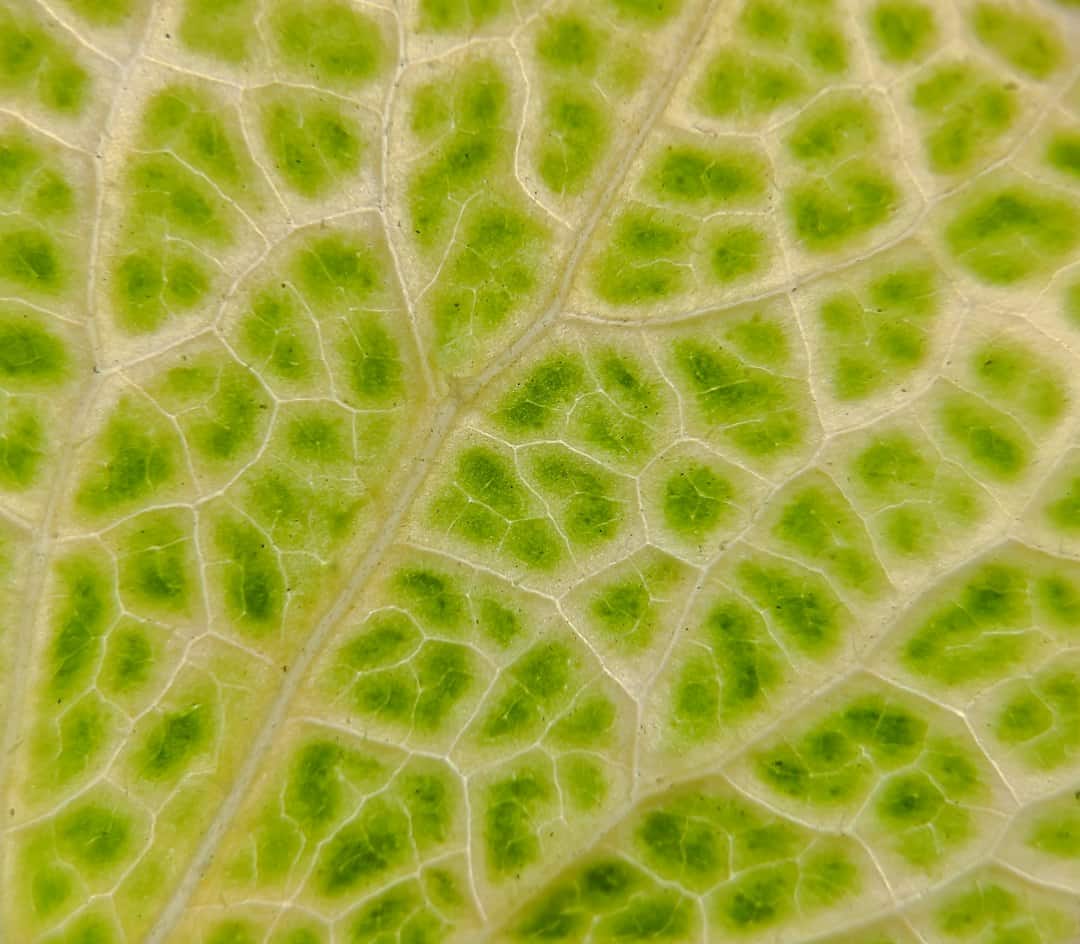
Growth patterns depend on genotype and environment together. Disease, nutrition, temperature, water status, age and random developmental variation can influence visible traits. The phrase genetically identical should also be qualified because mutations and other differences may accumulate. Scientific reports distinguish shared genetic origin from identical real-world performance.
Propagation versus reproduction: terminology
Vegetative propagation, tissue culture, regeneration and plant cloning overlap in everyday language, but they are not perfect synonyms. Asexual reproduction describes the genetic relationship; vegetative propagation describes a broad class of reproduction involving vegetative plant structures; tissue culture refers to laboratory methods. Confusing these terms can turn a scientific explanation into a misleading claim about a technique.
Plant hormones as signalling molecules
Plant hormones, including auxins and cytokinins, help coordinate development at very low concentrations. Their roles are context dependent and involve complicated interactions among tissues and genes. They should be understood as biological signals, not magic substances that guarantee a desired outcome. Product marketing that promises certainty oversimplifies plant physiology.
Limits of historical claims
Older articles may describe nearly universal success or imply that any specimen behaves like any other. That is inconsistent with basic botany. Plant reproductive systems vary widely across species, and published observations can depend on experimental design. No original laboratory datasets or comparative trials are presented in this archive, so old unverified success statements are withdrawn.
Ethics and scientific recordkeeping
Plant research benefits from accurate identification, transparent methodology and respect for local rules governing protected or regulated species. A trustworthy report identifies its species, the source of its observations, sources of uncertainty and whether claims came from direct evidence or a seller’s advertising. An article that lacks those elements should not be treated as a reproducible study.
Clones, mutations and inherited variation
Two organisms can share a common genetic origin without retaining exactly the same DNA or displaying matching traits throughout life. Mutations can arise during cell division, while gene regulation and developmental history influence which inherited characteristics become visible. Biologists therefore distinguish genetic similarity, developmental identity and phenotypic uniformity. A report claiming that every clone will always resemble its source exactly overlooks these distinctions. The NC State Extension botany reference provides useful background on plant cells and development.
What counts as scientific evidence for a developmental claim
Photographs taken at different dates can document that an organism changed, but they cannot establish the cause of the change. For a scientific claim to be assessed, readers need to know what was measured, whether observations were repeated, what alternatives could explain the result and how the authors handled uncertainty. Historical blogs may provide interesting observations without meeting the standards of a controlled study. This archive deliberately distinguishes broad botanical knowledge from untested product testimonials and does not represent archived stories as newly reproduced experimental results.
Terms worth understanding before reading older botany articles
Genotype describes inherited genetic information; phenotype describes observable characteristics shaped by genetic and environmental influences. Differentiation is the process by which cells develop distinct structures and functions. Meristem refers to regions of continuing cell division, while regeneration describes the formation or replacement of tissues. These concepts are related but not interchangeable. Being precise avoids the common mistake of treating a biological possibility as evidence that a particular commercial claim is reliable. For a wider introduction, consult the Virginia Cooperative Extension botany handbook.
Sources for further reading
For academic background, read Oregon State University botanical foundations and Virginia Cooperative Extension botany chapter. These references support general botanical or safety concepts; they do not imply first-hand equipment tests by eStageCraft.
Questions readers often ask
Does genetic similarity guarantee identical appearance?
No. Plants with closely related or identical genetic material can still differ in appearance because gene expression, development and environmental conditions influence visible traits.
How does asexual reproduction differ from sexual reproduction?
Asexual reproduction does not require the fusion of reproductive cells to produce new individuals, while sexual reproduction involves the union of reproductive cells and generally combines genetic contributions.
For historical context on commercial hormone claims, see Plant Rooting Products: Hormone Science and Label Safety. It explains product-evidence limitations without offering practical cultivation advice.
Related educational topics
Plant life cycles and development · General light-measurement science
Editorial integrity: No new first-hand trials, certification claims, current marketplace verification or crop-specific recommendations are asserted. The source material has been rewritten for educational use.