Mineral Wool: Material Science and Exposure Safety
Editorial update, October 2026: This page now covers mineral wool as a manufactured fibrous material, including composition, exposure considerations and the limits of historical retail claims.
Mineral wool—often known as rock wool or stone wool—is a fibrous manufactured material used in insulation and other industrial contexts. Its physical characteristics have also made it a subject of horticultural engineering. This revision concentrates on what the material is, how it differs from soil, and what occupational-safety sources say about exposure.
What mineral wool means
Mineral wool is a category of synthetic vitreous fibers produced from melted mineral feedstocks. The names rock wool, stone wool and slag wool can refer to related materials with different origins. A label or appearance does not alone reveal a product’s composition, binder, coating or intended professional use.
Fibrous structure and physical behaviour
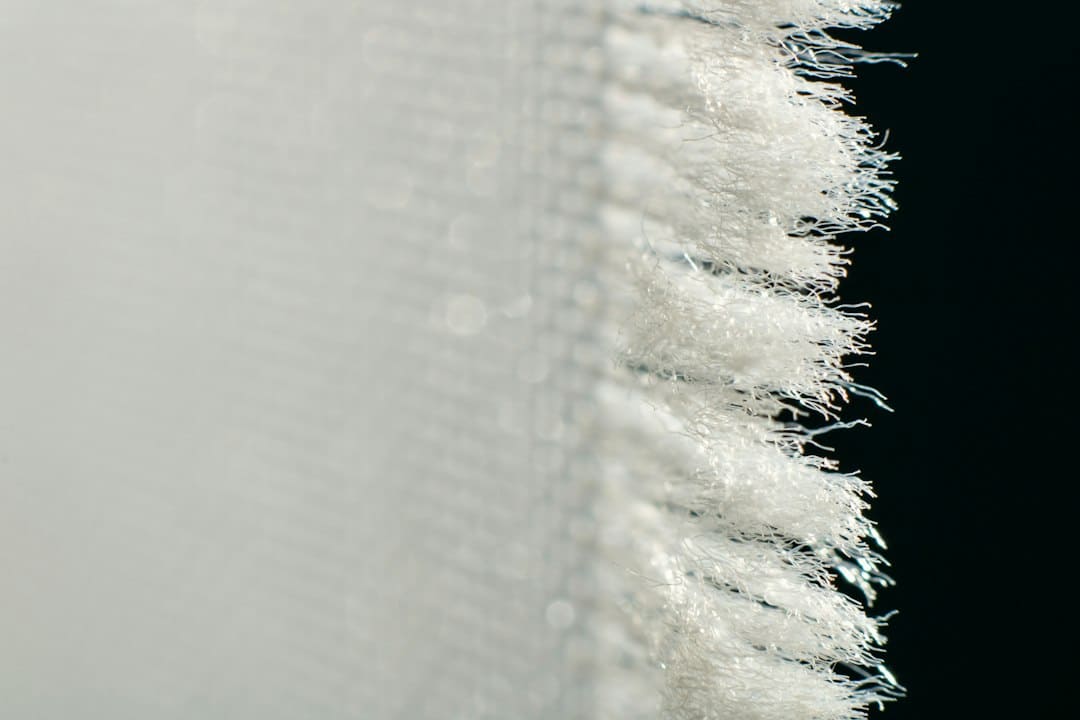
A mineral wool mat is made from numerous fibers with spaces between them. That structure influences density, thermal behaviour, mechanical handling and interactions with water. Its physical properties differ substantially from soil, which contains mineral particles, organic matter and living organisms. Claims that one material is a universal substitute for the other are too simplistic.
History beyond gardening
Mineral wool has been used for building insulation, acoustic treatments and industrial applications. Those fields have their own material performance standards and exposure controls. A product designed for a construction wall should not automatically be assumed appropriate in another context. Manufacturer-specific documentation is important whenever the purpose changes.
What the NIOSH safety guidance says
The US National Institute for Occupational Safety and Health identifies mineral wool fiber exposure routes involving breathing and contact with eyes or skin. Reported concerns include irritation. Its guidance makes clear that fibrous materials should not be treated as harmless merely because they are sold as common building supplies.
Dust and workplace controls
Airborne dust and fibers are occupational hygiene issues. The risk depends on the substance, particle characteristics, airborne concentration and exposure duration. Appropriate controls require a real workplace assessment, not an improvised blog recipe. Regulatory standards and product safety data may differ between commercial materials.
Environmental and disposal questions
Environmental impact involves raw-material sourcing, energy required for manufacturing, packaging, transportation and disposal. Assertions that a product is fully recyclable or biodegradable require evidence about the actual formulation and local processing capability. There is no general rule that every mineral wool item can enter ordinary recycling streams.
Evaluating old product claims
The previous page combined descriptions of a material with highly specific directions for a regulated crop and retailer claims. Those have been withdrawn. This is not a technical operating manual or endorsement of any old branded material, and photographs alone do not prove its safe or suitable use.
Different fibrous materials have different properties
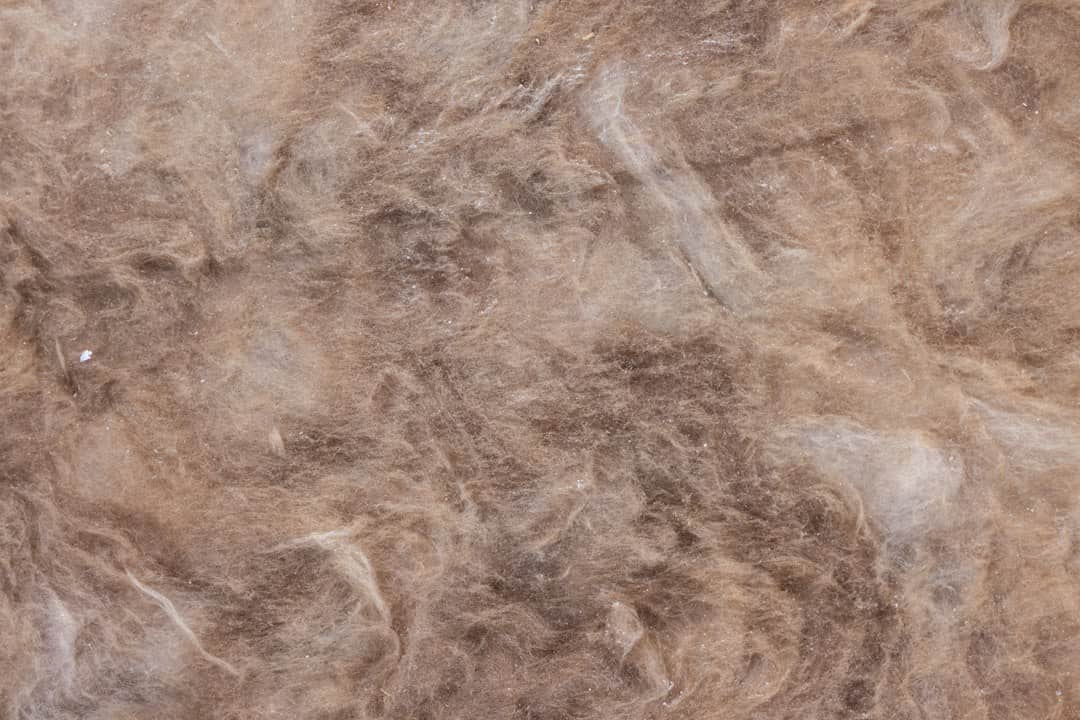
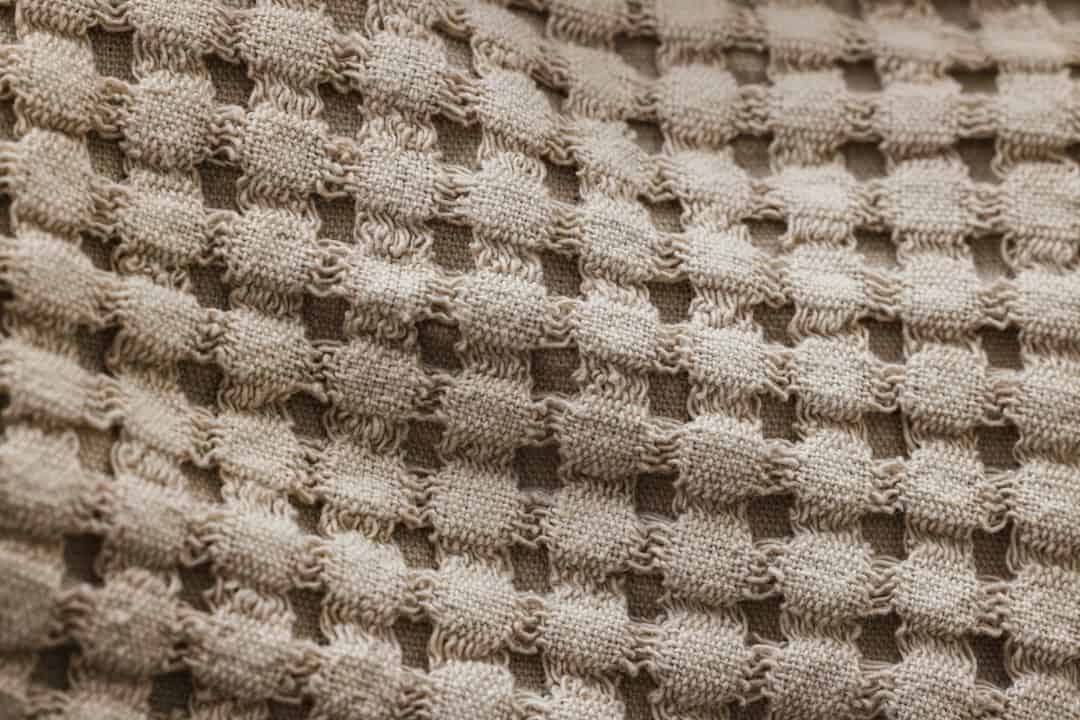
Words such as fiber, fleece, mineral wool and insulation describe categories of materials, not chemical identities. Fiber diameter, composition, binder and manufacturing process may influence how a product behaves. Two photographs that show a superficially similar texture can represent entirely different substances. That is why material identification should rely on technical specifications and, when needed, professional evaluation rather than visual similarity. The illustrations here show the appearance of fibrous materials; they are not laboratory images proving that a particular sample contains rock or slag wool.
Exposure classifications need context
The NIOSH mineral-wool profile lists occupational exposure considerations for synthetic vitreous fibers. OSHA also discusses the health evidence and differences among classes of fibers. A general hazard description is not a diagnosis of disease, and a historical workplace limit should not be treated as a recommendation for household use. Evidence about one formulation or a specific group of fibers may not apply unchanged to another. Explanations should identify which material and context a source actually addresses.
What a safety document should identify
A useful technical safety document includes the supplier, material identity, intended application, relevant hazard classifications and the version of the document. Some materials also have disposal requirements or local waste rules that cannot be inferred from their physical appearance. This archive intentionally does not describe fabrication or handling procedures. It instead shows why a historical marketing page is no substitute for a current safety data sheet, relevant regulations or competent occupational hygiene advice when exposure questions arise.
Scientific references
CDC/NIOSH mineral wool fiber reference · OSHA synthetic mineral fibers health effects These sources describe general scientific concepts or safety information. The article does not claim new laboratory tests.
Frequently asked questions
Is every type of mineral wool made from the same material?
No. Mineral wool products can differ in composition, manufacturing process and fiber characteristics. A safety assessment should refer to the specific material and applicable technical documentation.
Can a photograph establish the safety of fibrous material?
No. Appearance alone cannot establish airborne particle exposure, chemical composition or whether a particular product meets an occupational standard. Reliable conclusions require the relevant measurements and safety information.
Related reading
Soil structure and biology · General indoor light safety
Editorial note: Updated as general science and safety content. No independent product evaluation, crop-specific performance claim, or present-day shopping recommendation is asserted.