Flowers, Buds and Plant Morphology: A Science Primer
Editorial update, October 2026: This article has been revised as a general botany reference about buds, meristems and flower structures. The earlier product-focused language is no longer presented as verified scientific evidence.
Buds are compact plant structures that can contain developing leaves, shoots or reproductive tissues. Their size and appearance vary greatly among plant species and life stages. The former article made claims about maximizing a specific regulated crop; the replacement explains bud terminology and flower development without offering techniques for modifying production.
What botanists mean by bud
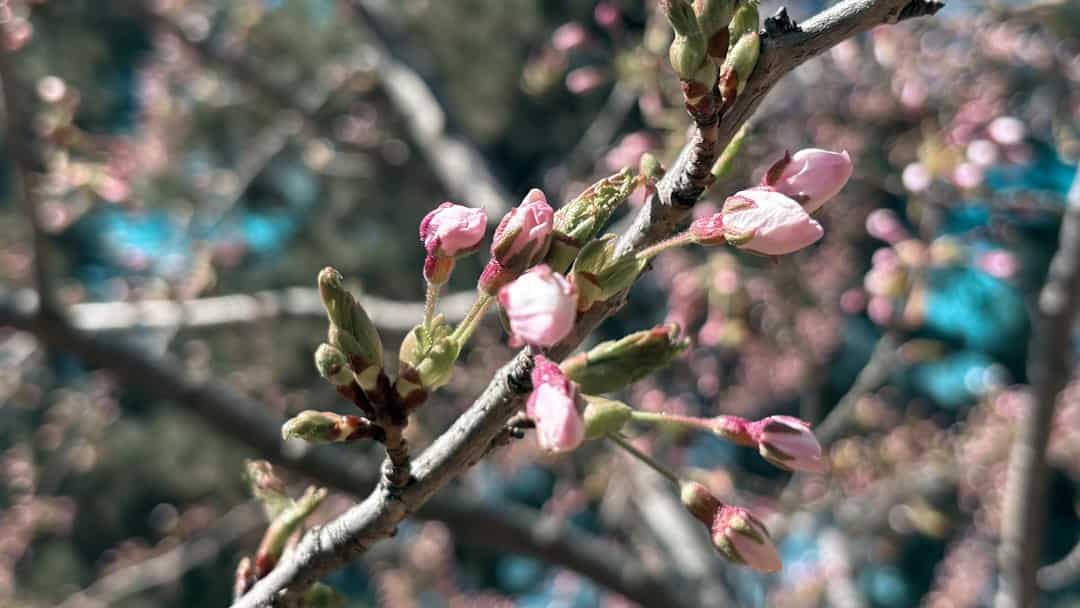
A bud is an undeveloped shoot or reproductive structure. Terminal buds occur at or near shoot tips, and lateral buds occur at other positions along stems. Some buds are primarily vegetative while others may develop into flowers or inflorescences. The term bud has multiple meanings in ordinary speech, so the botanical context matters.
Buds are not all reproductive structures
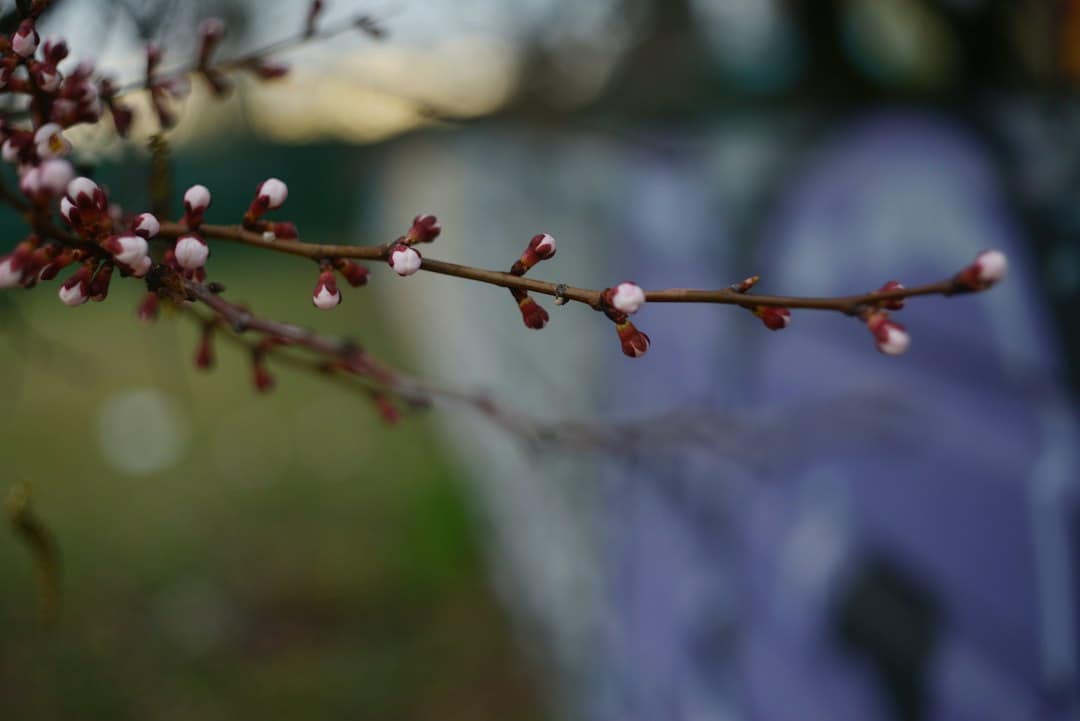
A bud can represent developing leaves or a shoot, not necessarily a flower. For instance, woody trees carry dormant buds that may form new foliage in a later season. A photograph of one type does not define how all species organize these structures.
The role of meristems
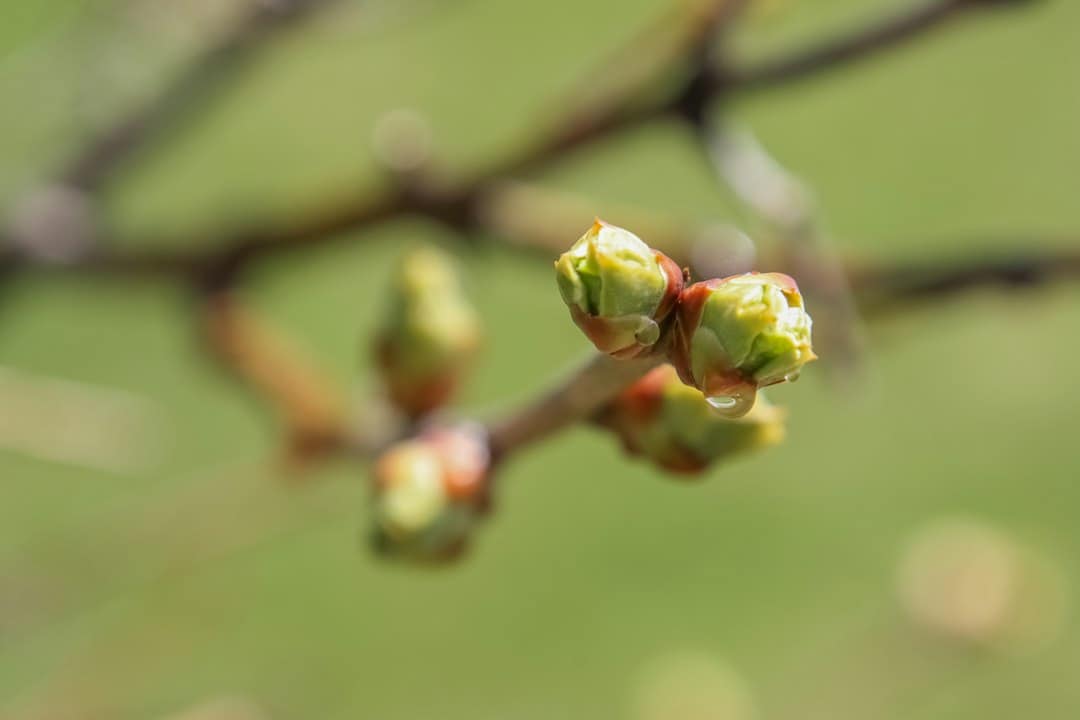
Meristems are regions where plant cells can continue dividing and generating differentiated tissues. They are central to the study of plant growth and developmental form. Their biological regulation involves genetic programs and chemical signals. Explaining these concepts is different from claiming that an unverified consumer intervention can guarantee a particular outcome.
What flowers contain
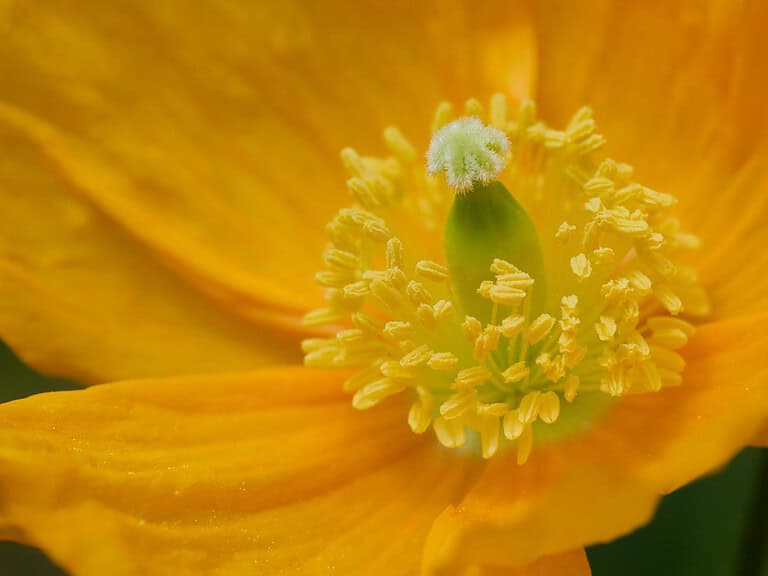
Flowers vary in arrangement, colour, number of parts and reproductive structures. Botanists identify sepals, petals, stamens, carpels and other structures in different combinations. A composite flower head may include many small individual flowers, showing why everyday labels can obscure detailed anatomy.
Genetics and developmental diversity
Species and inherited variation influence how plant bodies form. Environmental conditions can affect morphology too, but there is no universal equation linking an external factor to the size of every type of flower. Marketing language that promises guaranteed enlargement ignores these biological differences.
Observation versus explanation
A photograph can document shape or colour at one moment. It cannot prove the cause of a developmental change. Scientific studies require comparison groups, consistent observations, transparent methods and appropriate analysis. Older anecdotal product articles often skip that distinction.
Avoiding misleading size claims
The previous page promoted techniques and products for altering a regulated crop. These instructions have been removed. This article instead explains the meaning of structures such as shoot buds and flowers, using general botany references and without practical optimization advice.
Bud position and developmental identity
Botanists use position and developmental origin to describe buds. Terminal and lateral are location terms, while vegetative and reproductive describe the kinds of structures that may develop. A bud’s visible shape can change as tissues differentiate. These categories therefore answer different questions. A swelling at a stem junction might be relevant to morphology without establishing the identity of an entire species. The University of Nebraska-Lincoln’s identification terminology provides definitions used in woody-plant study.
What meristems reveal about plant organization
Meristems are regions of development where cells continue to divide and give rise to specialized tissues. The arrangement of these regions differs among major plant groups. Genetic signals and surrounding tissues contribute to what develops, so diagrams that show a generic growing point simplify a much more complex biological process. The word meristem refers to the developmental tissue, not a commercial promise about the final size or appearance of a flower. A scientific account should be clear about this distinction when discussing plant morphology.
Photographs, captions and evidence
A properly captioned photograph can document the appearance of a stem, flower or bud at one moment. It cannot establish the outcome of an unrecorded experiment or prove the cause of a visible difference. Close-up images may also magnify proportions in ways that make comparisons misleading. This article’s photographs are illustrations of general botanical structures, not before-and-after evidence for a particular product. The NC State botanical reference offers context for the anatomical terms used here.
Authoritative references
University of Nebraska plant identification definitions · Virginia Cooperative Extension botany text
Questions and clarifications
Are all buds destined to become flowers?
No. Vegetative buds can develop leaves and shoots, while reproductive buds can contain developing floral structures. Their identity depends on the species and the developmental stage.
Can a bud photograph predict the final size of a flower?
No. A single image documents appearance at one point in development. It does not show subsequent growth, environmental variation or the biological characteristics needed to make a reliable prediction.
Related eStageCraft references
Male and female floral anatomy · General plant developmental cycles
Editorial integrity statement: The original URL is retained to prevent dead links. No recent first-hand tests, current seller comparisons or production recommendations are asserted.