Male and Female Flowers: Plant Reproductive Biology
Editorial update, October 2026: This page has been revised to focus on flower anatomy and reproductive terminology across plants. Former product-related generalizations are not presented as scientific classifications.
Flowering plants have a remarkable variety of reproductive arrangements. Some flowers contain both kinds of reproductive structures, some are unisexual, and some species place different kinds of flowers on different individuals. This educational overview explains the correct botanical terms without offering crop-selection or cultivation instructions.
Flower anatomy as a scientific framework
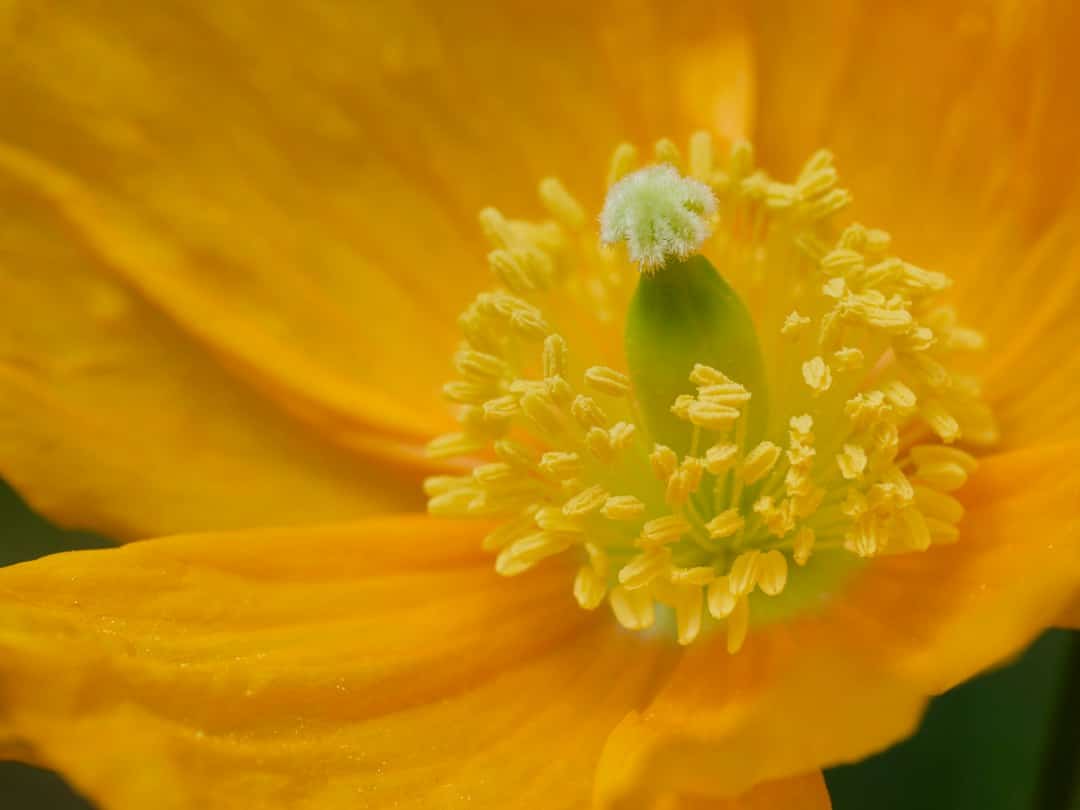
Flowers are the reproductive structures of flowering plants. Botanists describe stamens, which bear pollen-producing structures, and pistils or carpels, which include ovule-bearing structures. Accessory parts such as sepals and petals can also be important for identification. Not every flower contains every possible structure.
Staminate and pistillate flowers
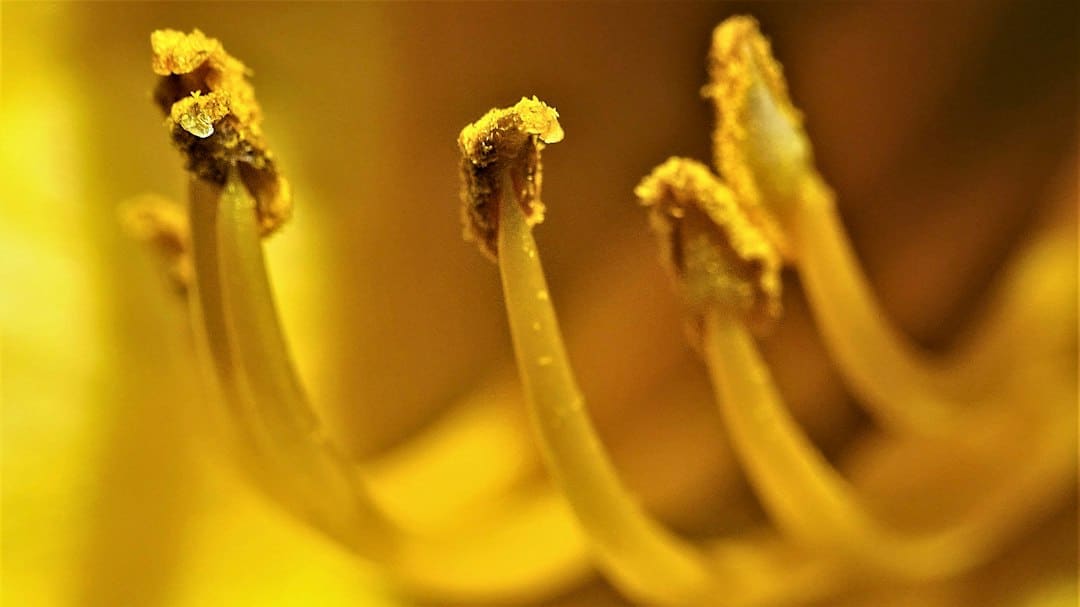
A staminate flower contains functional male reproductive structures; a pistillate flower contains functional female reproductive structures. In everyday language these may be called male and female flowers. This describes the flower’s functional anatomy rather than the overall appearance of its leaves or stems.
Perfect and imperfect flowers
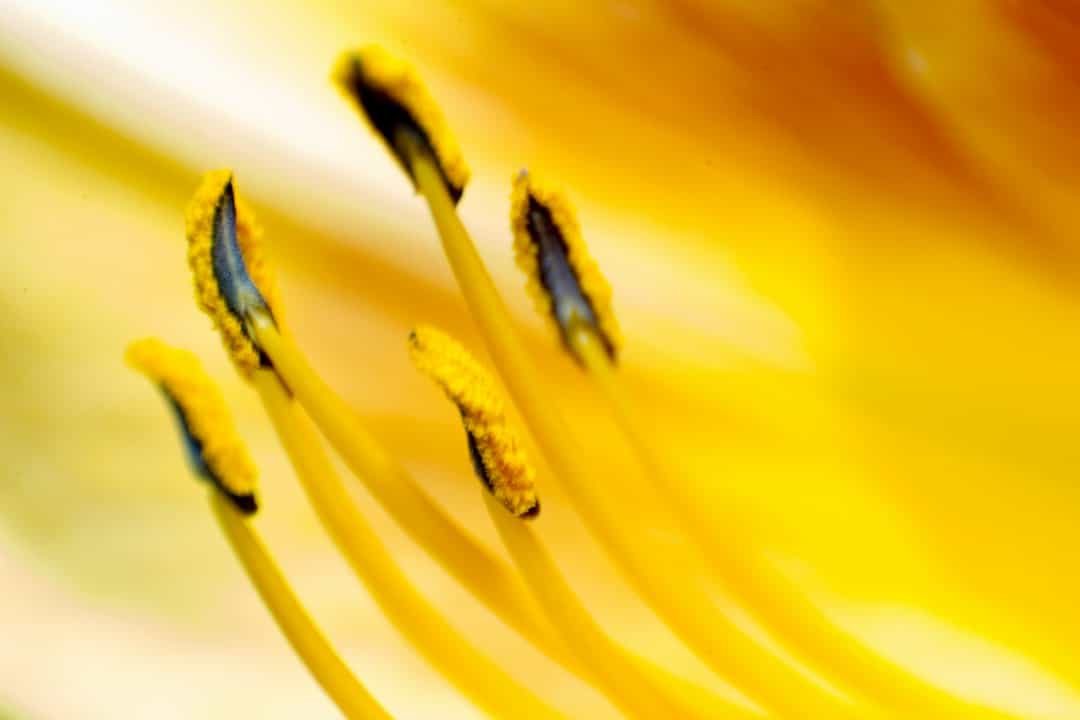
A perfect flower contains both kinds of reproductive structures, while an imperfect flower lacks at least one of those categories. The related words complete and incomplete refer to the presence or absence of all major floral whorls. These sets of terms describe overlapping but different characteristics.
Monoecious plants
In a monoecious species, separate staminate and pistillate flowers occur on the same individual. Squash and corn are familiar examples of such arrangements. The placement of the reproductive structures is a species characteristic, not a universal rule that can be inferred from a plant’s overall size.
Dioecious plants
In dioecious species, different individuals bear staminate or pistillate reproductive structures. Examples from extension resources include holly and some willows. Species-level identification and reproductive arrangements are different questions. Leaf shape alone does not establish a plant’s floral reproductive system.
Pollination versus fertilization
Pollination refers to transfer of pollen to a receptive structure, while fertilization involves the union of genetic material within reproductive tissues. The two are related but separate biological events. The details vary among species and pollination systems.
Why visual generalizations mislead
The older article included broad claims that reproductive form could be recognized reliably from growth rate, stem thickness or leaf size. Those claims are too general. Botanists use verified floral structures and species-specific evidence rather than generic shortcuts. This page now emphasizes accurate terminology and botanical references.
Why flower categories matter to classification
Botanical terminology allows researchers to describe reproductive arrangements consistently across different plant families. A floral character can be useful in identifying a species, but no single label describes every aspect of that organism’s biology. Some flowers vary in structure with developmental stage, and different plant groups have distinct reproductive systems. That complexity is a reason to consult species-specific botanical sources rather than inferring the reproductive function of an unfamiliar individual from leaf shape or overall size. The NC State Extension botany chapter gives an accessible overview of floral structures.
Pollination and fertilization are different biological events
Pollination concerns the movement of pollen to an appropriate receptive surface. Fertilization involves later genetic interactions within reproductive tissues. A plant can have visible flowers without every relevant biological process occurring, and different species rely on different ecological partners or mechanisms. Common-language use of the word reproduction can obscure these distinctions. Scientific descriptions are more useful when they specify whether a discussion concerns anatomy, pollen transfer, fertilization, development or inheritance, rather than referring vaguely to a plant being male or female.
How botanical illustrations should be interpreted
A drawing of a flower often emphasizes structures to make them easier to see. An actual photograph may show some parts clearly while obscuring others, and an image from one species cannot stand as a universal template. Diagrams should identify their subject and distinguish examples from broad rules. This archive uses general photographs to illustrate botanical diversity; it does not provide a classification key for any specific regulated species. The Virginia Cooperative Extension Gardener Handbook is an additional reference for general plant anatomy.
Authoritative references
Oregon State University basic botany · Purdue Extension flower biology
Questions and clarifications
Do male and female flowers always grow on separate plants?
No. Some species are monoecious, meaning one individual can bear separate staminate and pistillate flowers. In dioecious species, those flower types occur on different individuals.
Are pollination and fertilization the same biological event?
No. Pollination is the transfer of pollen to a receptive structure. Fertilization is a later biological process involving the union of reproductive cells; the two terms should not be used interchangeably.
Our plant morphology primer explains the difference between vegetative buds and reproductive structures without proposing methods to alter their development.
Related eStageCraft references
Plant life cycle classifications · Reproduction and genetic identity
Editorial integrity statement: The original URL is retained to prevent dead links. No recent first-hand tests, current seller comparisons or production recommendations are asserted.