SolarStorm 440: Historical Lighting Equipment and UV Safety
Archive notice, October 2026: This page documents the historical California Lightworks SolarStorm 440 lighting equipment. It is not a present-day product test, a buying recommendation or confirmation that a listing, model revision or warranty remains available. Some original photographs and the previously configured comparison display are retained for site continuity.
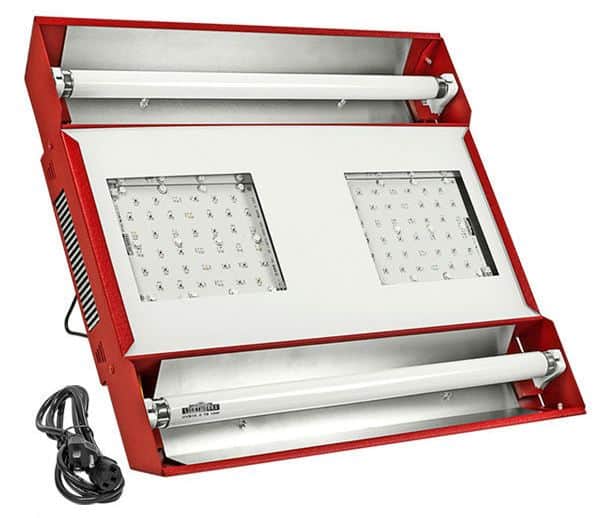
The SolarStorm 440 is an older California Lightworks lighting model that combined solid-state LED emitters with separate fluorescent ultraviolet components. That hybrid construction is its most significant historical characteristic. Earlier copy made unverified biological claims about UV exposure; those claims are removed from this neutral technical profile.
The equipment and its design
Unlike an LED-only enclosure, a hybrid device has different component types with different service and disposal considerations. The original product information described fluorescent UVB tubes, LED clusters and selectable controls. The details do not establish current availability, photobiological safety, or the performance of a specific surviving unit.
What the older performance claims do not prove
Promotional “five-band” or high-output language does not substitute for measured spectral power distribution. Most importantly, ultraviolet output cannot be judged by how bright a lamp looks to the human eye. Even apparently dim UV-emitting equipment may present a hazard, and the presence of an internal UV source requires model-specific protective controls.
The US Department of Energy explains that LED performance and longevity depend on the whole system, including thermal management and electronics. It is therefore incorrect to assume that a model name or chip rating is the same as measured system power. The relevant distinction is between a historical advertising statement and an independently reproduced measurement with disclosed conditions.
Operating life, service and aging
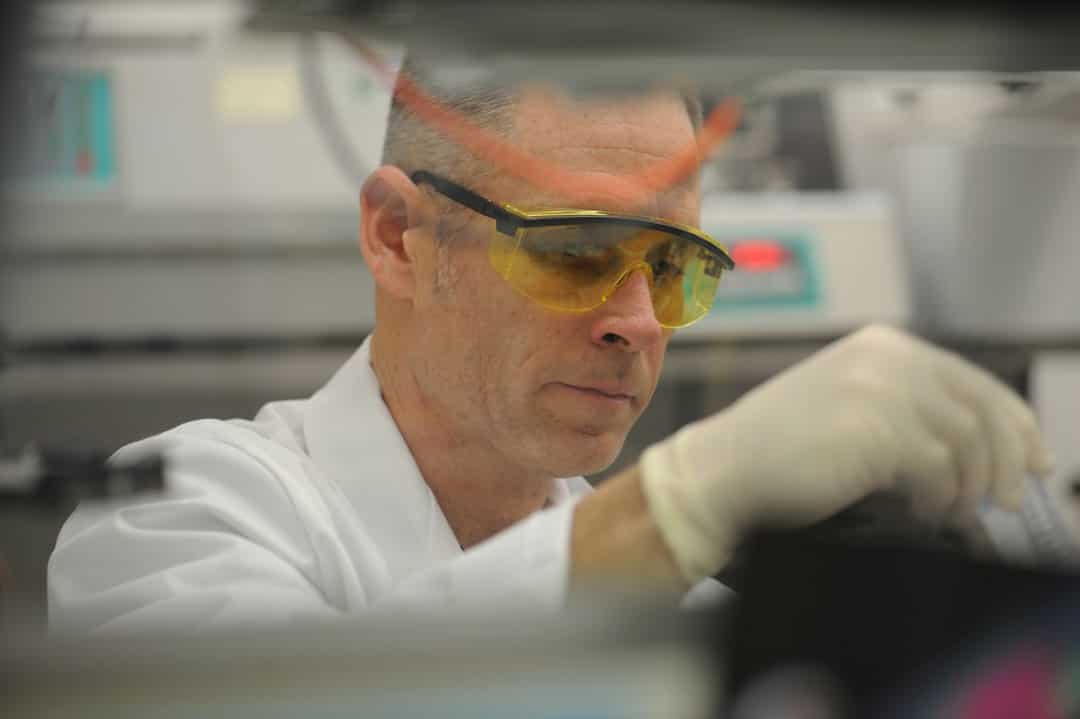
UVB radiation can injure skin and eyes. This page is not an operating guide for the UV equipment: users should not expose themselves to the radiation source or improvise shielding. Fluorescent components may also need specialized disposal depending on their materials and local waste rules.
The SolarStorm 440’s archived design combined solid-state emitters with separate ultraviolet fluorescent components, so maintenance and aging cannot be understood from an LED-life number alone. Those distinct sources may have different electrical, optical and service-life characteristics, and past advertising provides no evidence about the condition of a surviving fixture. The lighting industry commonly discusses lumen maintenance in terms of retained output, while separate electrical components have their own failure modes. Information on an old sales listing cannot establish the present condition of an individual device.
What a trustworthy technical record would include
For California Lightworks SolarStorm 440, a credible independent record would identify the precise production revision, input-power measurement, spectral measurement method, optical output, ambient temperature, operating duration and any safety certification. This archive does not supply those test records, and the site’s historical comments should not be misread as a new controlled laboratory evaluation.
For this hybrid SolarStorm 440, electrical watts do not identify how much of the output came from the LED section versus the ultraviolet fluorescent section. Visible-light quantities and ultraviolet measurements describe different properties; an ordinary lux reading cannot verify the ultraviolet component or establish appropriate eye protection. In specialist applications, other measurement systems are appropriate; do not substitute one unit for another without the necessary spectral information.
For background on measurements, see our general light-meter terminology guide. For light-source technology, read LED versus high-pressure sodium lighting. These are educational references, not claims about the performance of this archived model.
Electrical, optical and maintenance safety
Old lighting electronics should not be treated as automatically safe merely because the product originally operated. Damaged insulation, connectors, power supplies or cooling systems are potential hazards. Never operate damaged electrical equipment, bypass safeguards or assume that a fluorescent or ultraviolet component is safe to view directly. Consult a qualified technician or the original model’s official documentation for any servicing.
Because the historical SolarStorm construction included UV-emitting components, eye and skin protection considerations are especially important. OSHA identifies ultraviolet radiation as an optical hazard; the safe approach is to respect installed shielding and avoid unverified operation. See OSHA’s non-ionizing radiation overview.
Archived marketplace comparison
The legacy product table below was created before this revision and is preserved as an existing site element. Listings, prices, configurations and availability may have changed. It should not be treated as a verified current product comparison or a substitute for the manufacturer’s official safety information.
Frequently asked questions
Is the watt figure in the model name its verified electrical draw?
Not necessarily. Historical marketing identifiers and model-family numbers may reflect nominal LED chip ratings or a comparative label rather than power measured at the wall. A reliable claim requires the exact product revision and a measurement record.
Do photographs or a comparison table prove the fixture’s condition today?
No. Photos illustrate an older product and a comparison table can retain historical entries. Neither provides a current inspection, a safety assessment, an up-to-date warranty or evidence of new testing.
Can a claimed 50,000-hour lifetime be treated as a guarantee?
No. Rated LED light-output maintenance is different from the lifespan of electronics, fans and other components. It also does not establish whether an individual piece of older equipment remains serviceable.
Related historical documentation
See the archived California Lightworks SolarStorm 880 page for another example of the same era of lighting hardware. For technical context from an independent source, consult the US Department of Energy’s explanation of full-fixture efficacy. Comparable, verified data matters more than broad equivalency claims.
Editorial integrity statement: The original article may have described personal use or manufacturer claims. This revised profile does not claim recent first-hand testing of California Lightworks SolarStorm 440, independent measurement of its output, or confirmation of a current retailer offer. Its original URL has been retained.